Botanical Abstract Pattern
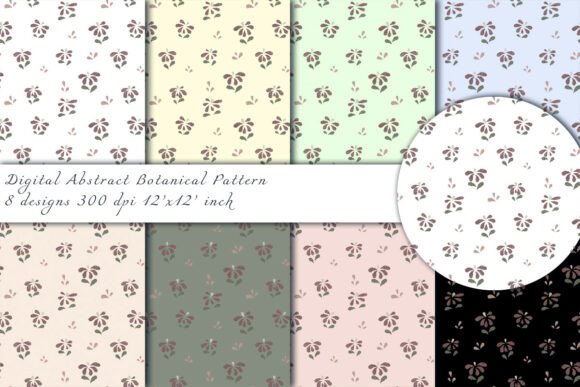
Botanical Abstract Pattern offers a unique blend of nature-inspired design and modern minimalism. These seamless patterns feature stylized botanical elements, creating a visual language that’s both elegant and versatile. The designs often incorporate soft curves, flowing lines, and organic shapes that evoke the beauty of plants without being overly literal. This makes them ideal for a wide range of creative applications.
What Makes Botanical Abstract Pattern Stand Out
The Botanical Abstract Pattern is characterized by its clean, artistic approach to floral and plant motifs. Rather than focusing on detailed realism, it emphasizes form, color, and composition. This results in a style that feels contemporary yet timeless. The patterns are available in both pastel and bright color schemes, allowing designers to choose the tone that best fits their project’s mood and purpose.
These patterns are not just visually appealing—they also offer practical benefits. Their seamless nature means they can be repeated without visible seams, making them perfect for fabric, wallpaper, and other large-scale prints. The high resolution (3600x3600px at 300 dpi) ensures sharp, professional results whether printed on paper, fabric, or digital media.
Where Botanical Abstract Pattern Works Best
Botanical Abstract Pattern is a go-to choice for designers working on fabric sets, home textiles, and packaging. Its versatility allows it to be used across multiple industries, from fashion to interior design. For instance, a clothing collection could use these patterns as a base for t-shirts, scarves, or dresses, adding a touch of nature-inspired flair without overwhelming the design.
In branding and marketing, the pattern can serve as a background element in logos, social media graphics, or promotional materials. It adds a subtle, sophisticated touch that complements more straightforward typography. In editorial design, such as book spreads or magazine layouts, the pattern can provide a cohesive visual theme that enhances the overall aesthetic.
How Botanical Abstract Pattern Influences Design
When used effectively, Botanical Abstract Pattern can significantly impact how a design is perceived. The pattern’s minimalist approach helps maintain visual hierarchy, ensuring that key messages or images remain the focal point. This is especially important in web design and print materials where clarity is crucial.
The pattern also contributes to brand perception. A well-chosen pattern can reinforce a brand’s identity, making it more memorable and recognizable. For small businesses or independent creators, using Botanical Abstract Pattern can add a professional edge to their products, helping them stand out in a competitive market.
Choosing the Right Pattern for Your Project
Selecting the right Botanical Abstract Pattern involves considering the project’s goals and audience. If the goal is to create a calming, natural feel, pastel tones may be more appropriate. For bold, eye-catching designs, bright colors can make a strong statement. Testing different variations in mockups can help determine which version works best for a specific use case.
When pairing the pattern with other design elements, it’s important to consider contrast and balance. A simple, clean typeface can complement the pattern without competing with it. For more dynamic projects, experimenting with font pairings can lead to fresh, innovative looks that capture attention.
Practical Tips for Using Botanical Abstract Pattern
Before finalizing a design, test the pattern in different sizes and contexts. What looks good on a business card may not work as well on a large banner. Also, review the commercial licensing terms to ensure the pattern can be used as intended, especially if the project involves public distribution or resale.
For those new to using seamless patterns, start with smaller projects to get a feel for how the pattern behaves in different formats. As confidence grows, expand into more complex applications like full-page backgrounds or multi-piece fabric sets. Always keep the end user in mind—whether it’s a customer, client, or audience member, the design should enhance their experience.