Integrating the Soft Pink Rose Watercolor Pattern into Professional Creative Workflows
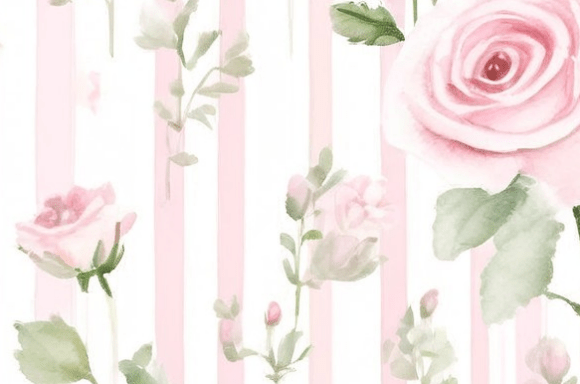
In the landscape of modern design, the intersection of aesthetic appeal and functional utility defines successful projects. The Soft Pink Rose Watercolor Pattern represents more than just a decorative element; it is a versatile asset that, when integrated correctly, can streamline branding efforts, enhance product lines, and elevate digital presence. This collection, characterized by delicate watercolor floral designs, soft pink roses, gentle greenery, and subtle vertical stripe backgrounds, offers a specific tonal quality that bridges the gap between romantic elegance and professional polish. For professionals ranging from graphic designers to small business owners, understanding how to deploy these patterns within a broader workflow is essential for maximizing their value.
Defining the Asset in a Production Context
Before implementation begins, it is crucial to categorize the Soft Pink Rose Watercolor Pattern accurately within your resource library. Unlike bold, high-contrast graphics that demand immediate attention, this pattern functions best as a supporting layer or a thematic anchor. The inclusion of subtle vertical stripes adds a structural element often missing in purely organic floral designs, providing a sense of order and rhythm. This duality makes the pattern uniquely suited for projects requiring both visual interest and readability.
When auditing your current design assets, consider where this specific aesthetic fits. It is not merely a "pretty picture" but a textural tool. In a workflow context, it serves as a background modifier, a packaging texture, or a unifying theme across disparate media channels. Recognizing its role early prevents misuse, such as placing it over complex data sets where the floral details might obscure information, or using it in contexts that require aggressive, high-energy branding.
Strategic Implementation Across Project Phases
The utility of these watercolor designs extends through various stages of a project lifecycle, from initial concepting to final delivery. Understanding when to introduce the pattern ensures it enhances rather than complicates the process.
Pre-Production and Concept Development
During the planning phase, the Soft Pink Rose Watercolor Pattern can act as a mood-setting catalyst. For entrepreneurs launching a boutique brand or educators designing course materials, selecting this pattern early helps define the visual language of the entire project. It establishes a palette of soft pinks and muted greens that can guide subsequent decisions regarding typography, color codes, and imagery. By locking in this aesthetic direction at the start, teams avoid the common pitfall of disjointed visuals later in the process.
Furthermore, using the pattern in mockups during the pitch stage can help stakeholders visualize the end product more effectively. Whether presenting a new textile line or a stationery collection, showing the pattern applied to real-world objects provides tangible proof of concept, facilitating faster approval cycles.
Execution and Design Assembly
In the active creation phase, the pattern's compatibility with various software tools becomes paramount. Because the designs feature watercolor textures, they interact differently with digital layers compared to flat vector graphics. When integrating the soft pink roses and gentle greenery into layouts, designers should pay close attention to opacity settings and blending modes. Multiplying the pattern layer over a solid color background can deepen the hues, while screening it can create a washed-out, vintage effect suitable for letterheads or website headers.
The vertical stripe component is particularly useful for maintaining alignment in long-form documents or web pages. It provides a subtle grid that guides the eye without the rigidity of traditional lines. This is especially beneficial for bloggers and publishers who need to maintain reader engagement over long scrolls. The pattern breaks up white space without introducing visual noise, striking a balance that keeps the content readable yet engaging.
Post-Production and Quality Control
Once the design is assembled, the focus shifts to output consistency. A key advantage of this collection is its scalability, but verification is still necessary. When preparing files for print—such as textiles or high-quality stationery—ensure the resolution matches the printer's requirements to prevent the watercolor edges from appearing pixelated. For digital projects, optimize file sizes to ensure fast loading times without sacrificing the delicate details of the rose petals.
Quality control also involves checking contrast ratios. While the soft pink tones are aesthetically pleasing, they must not compromise accessibility. If text is overlaid on the pattern, ensure there is sufficient contrast for readers with visual impairments. In many cases, placing a semi-transparent solid shape between the pattern and the text resolves this issue while retaining the background's atmospheric quality.
Workflow Integration and Tool Compatibility
Successfully embedding the Soft Pink Rose Watercolor Pattern into a routine requires seamless interaction with existing tools and platforms. For freelancers and agencies managing multiple clients, organization is key. Store the pattern files in a centralized asset management system with clear tagging (e.g., "floral," "pink," "vertical-stripe," "romantic"). This ensures that when a project brief calls for a feminine or elegant touch, the asset is immediately retrievable, reducing search time and accelerating turnaround.
Compatibility extends to the platforms where the final product lives. For e-commerce entrepreneurs using Shopify or WooCommerce, these patterns can be tiled effectively for product backgrounds or used in promotional banners. The repeating nature of the pattern allows for flexible cropping, making it adaptable to various aspect ratios required by social media stories, posts, and website headers. Marketers can leverage this flexibility to create cohesive campaign visuals across Instagram, Pinterest, and email newsletters, reinforcing brand recognition through consistent textural elements.
Practical Tips for Long-Term Usability
To derive maximum value from this collection, consider the following practical observations regarding maintenance and evolution:
- Layer Management: Always keep the original pattern files separate from your working drafts. Work on copies to preserve the integrity of the source assets for future projects.
- Color Harmonization: While the soft pink and green palette is pre-defined, do not hesitate to adjust hue and saturation slightly to match specific brand guidelines, provided the watercolor texture remains intact.
- Contextual Pairing: Pair the floral elements with clean, sans-serif fonts for a modern look, or script fonts for a traditional feel. The versatility of the pattern supports both approaches, but the choice dictates the final perception of the brand.
- Textile Application: If using for fabrics, request physical swatches before full-scale production. Watercolor gradients can behave differently on cotton versus silk, affecting the perceived softness of the pink tones.
Maximizing Efficiency in Creative Operations
Efficiency in creative workflows often comes down to reducing decision fatigue. By establishing the Soft Pink Rose Watercolor Pattern as a go-to resource for specific types of projects, creators can bypass the endless search for suitable backgrounds. This standardization allows more time to be spent on high-value tasks like copywriting, user experience design, and strategy.
Moreover, the pattern's inherent elegance reduces the need for excessive embellishment. In minimalist design trends, less is often more. The detailed watercolor work provides enough visual richness that additional icons or heavy borders become unnecessary. This simplification speeds up the design process and results in cleaner, more sophisticated end products.
Ultimately, the goal is to treat the pattern not as an afterthought but as a strategic component of the design ecosystem. Whether enhancing a wedding invitation suite, branding a wellness app, or designing a line of home decor, the Soft Pink Rose Watercolor Pattern offers a reliable foundation. By approaching its integration with a process-oriented mindset—focusing on preparation, compatibility, and quality control—professionals can ensure that these delicate designs deliver robust, lasting results in their respective markets.